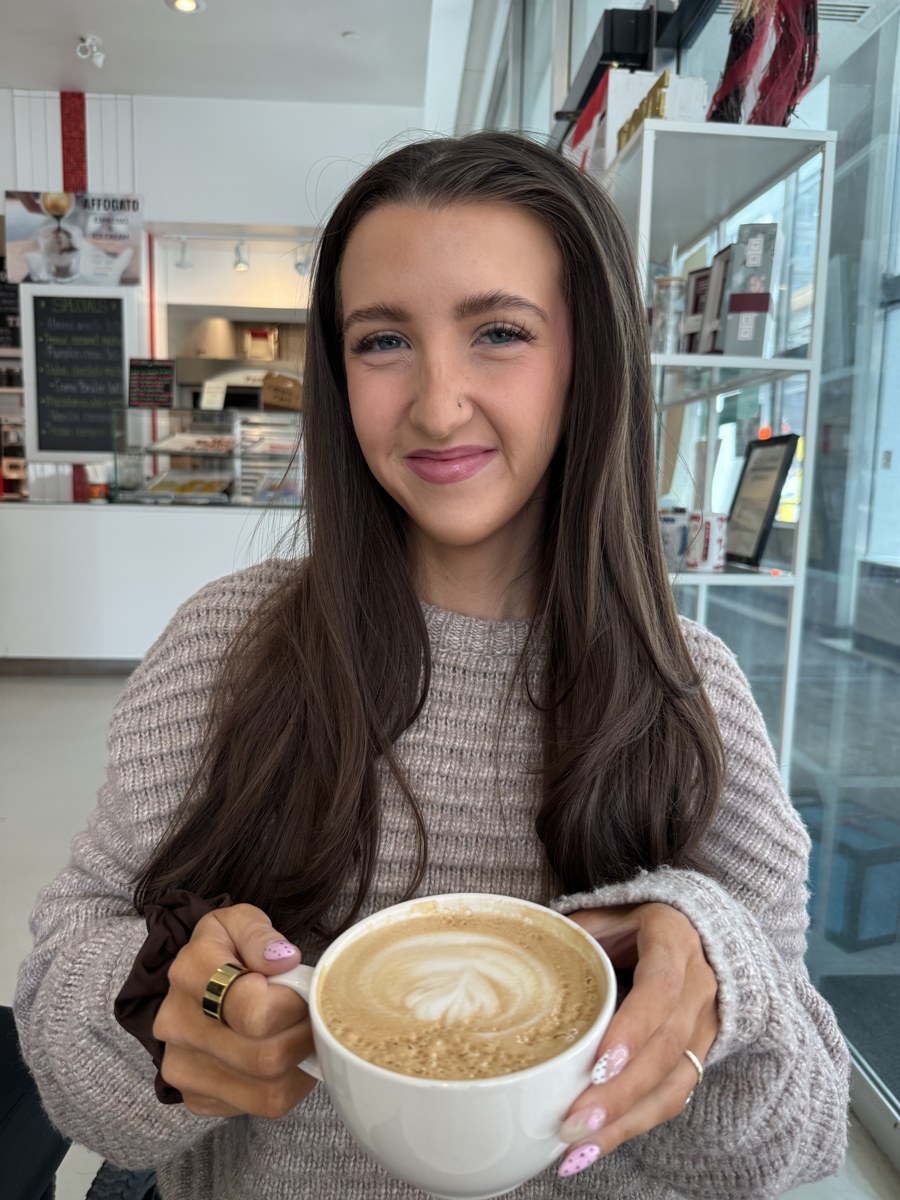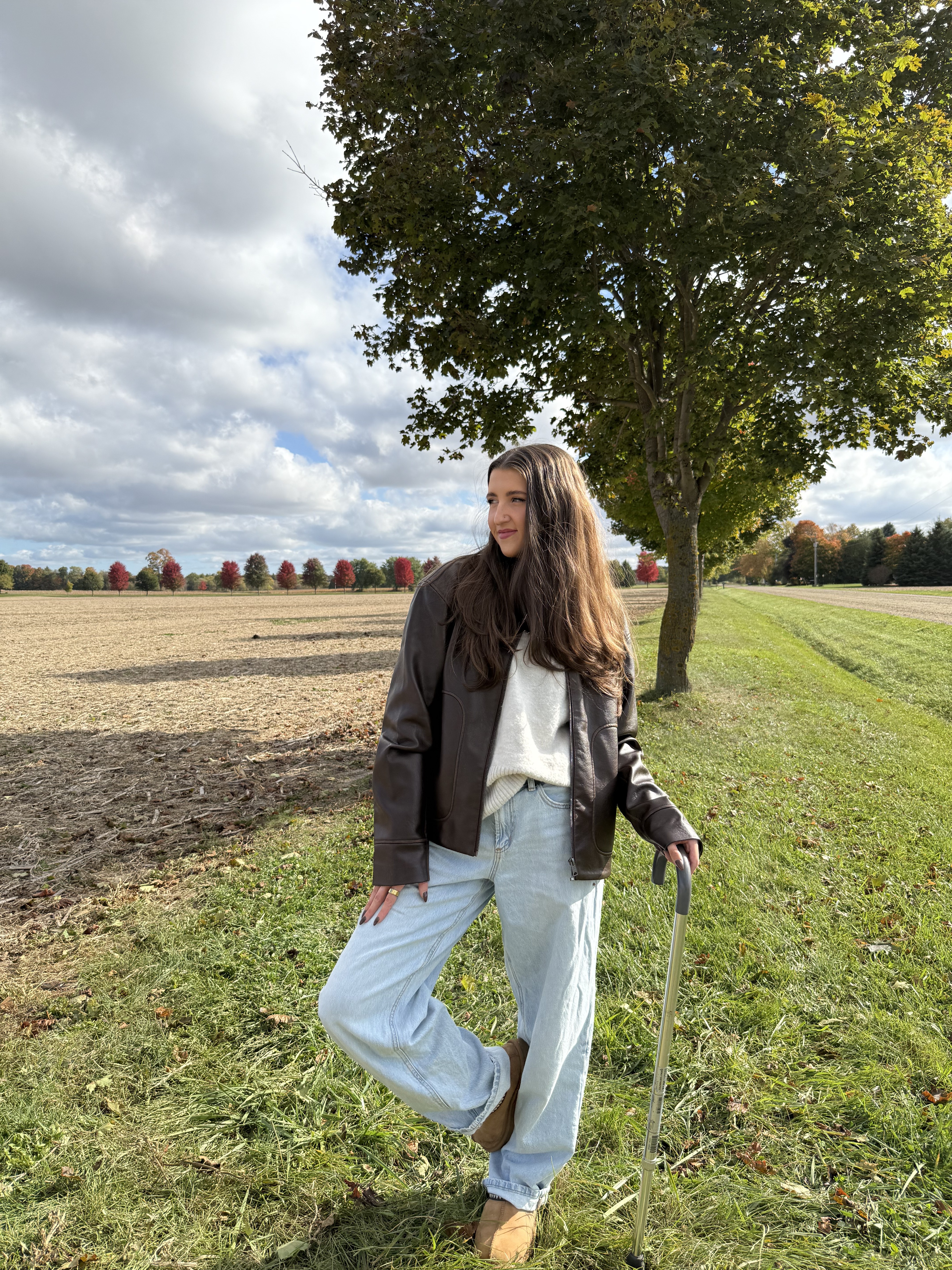
I was 22 when my body started to change. I was a nurse. I knew anatomy, I knew pharmacology, I knew what medications did what. And still, nothing I learned in school prepared me for what it felt like to become a patient.
Not the appointments part. Not the blood work and the imaging and the "we need to run more tests." I could navigate that. What I wasn't prepared for was the identity part. The part where you wake up one day and realize the person you thought you were going to be doesn't quite exist anymore.
Nobody talks about the grief
People talk about disability in a way that skips the messy middle. It's either tragedy or triumph. You're either devastated and helpless, or you've done the healing arc and come out the other side with a book deal and a TED Talk. Nobody really talks about the long weird stretch in between.
The grief that comes with becoming disabled isn't like other grief. There's no funeral. No casseroles from neighbours. No socially recognized mourning period. You're grieving a version of yourself that never fully died, and a future that was never fully real, and most people around you don't know what to do with that.
You're grieving a version of yourself that never fully died, and a future that was never fully real.
I grieved my career. I'd worked so hard to become a nurse. I genuinely loved it. Being a nurse felt like who I was, not just what I did. Losing the ability to work in that role wasn't just a job change. It was a full identity collapse. I didn't know who I was outside of it.
I also grieved things that sound embarrassing to say out loud. I grieved being able to carry my own groceries without planning it like a military operation. I grieved concert nights that didn't require two days of recovery. I grieved being able to say yes to things without first calculating what it would cost me in pain.
The identity part is the hardest
Here's what took me the longest to figure out: I didn't want to be seen as disabled. Not because I was ashamed of it, but because I'd built my whole sense of self around capability. I was the person who showed up. The person who pushed through. The dependable one.
Suddenly needing help felt like a personal failure. It wasn't. I know that now. But knowing something intellectually and feeling it are two completely different things.
There's also this other thing that happens when you become disabled in your twenties that nobody warns you about. You become a before-and-after story in other people's eyes, whether you want to be or not. People who knew you before your diagnosis treat you differently. Sometimes they're overly careful, like you're fragile. Sometimes they forget entirely, and you end up having to manage their discomfort alongside your own.
Both are exhausting.
The medical system was not built for me
I say this as someone who used to work in healthcare. The system is not designed for patients who are young, who are women, who present complex or inconsistent symptoms, who advocate for themselves. I was dismissed more times than I can count. I left appointments feeling worse than when I went in, not because of the diagnosis but because of how I was spoken to.
Being a nurse didn't help as much as I thought it would. If anything, sometimes it made doctors more dismissive. "She thinks she knows what's going on." As if my medical background somehow disqualified my lived experience of my own body.
I left appointments feeling worse than when I went in, not because of the diagnosis but because of how I was spoken to.
I learned to prepare. To write things down. To bring someone with me. To stop softening my symptoms with phrases like "it's probably nothing" or "I don't want to waste your time." That last one was the hardest habit to break. I had spent years being trained to not be a burden on the system I worked in.
The stuff nobody tells you
Here's the list I wish someone had handed me.
Your relationship with time changes completely. You stop making plans the same way. Everything gets run through a filter: what will I have to cancel? What will I need to recover from? What's the cost? It doesn't ruin your life. But it does reshape it.
Some friendships don't survive. Not because anyone is a bad person. Just because some people don't know how to show up for something they can't fix. And some do, in ways you'd never have expected. The sorting is painful and clarifying at the same time.
Your body becomes a topic of conversation in a way it never was before. Strangers ask about your mobility aids. Acquaintances offer unsolicited opinions about what worked for their cousin. Doctors talk about your body like you're not in the room. You develop a polite deflection for all of it, but it still takes energy you don't always have.
You find community in the most unexpected places. For me, it was online. There was something about finding other disabled people my age who were also figuring out beauty and style and relationships and careers, who were also dealing with the identity whiplash, that made me feel less alone than anything else had.
What I want you to know
If you're newly disabled, or somewhere in that long weird middle, I'm not going to tell you it gets better in the tidy inspirational way. Some things do get easier. Some things just become part of the normal instead of the emergency. But I'm not going to wrap this up with a bow.
What I will say is this: the grief is real and it's allowed. The identity crisis is real and it's allowed. You don't have to be grateful for what this taught you. You don't have to find the silver lining on anyone else's timeline.
You're allowed to be a person who is still figuring it out. Most of us are.
And if nobody in your life is saying this to you right now: I see you. The before-you and the right-now-you and the not-yet-figured-out-you. All of it counts. 🤍